


A customer is standing at your front desk, finishing a meal, or considering a purchase. They have a question, need to book, or want to follow up later. A WhatsApp QR code for business gives them a direct path to message you before that moment disappears. One scan opens a conversation on a channel many customers already use every day.
For customer-facing businesses, that matters. Calls go unanswered during busy periods. Email feels slow. Social media direct messages can be hard to manage. WhatsApp gives guests and customers a familiar, immediate way to ask, confirm, share, or request help – without making your staff repeat a phone number or ask someone to search for your profile.

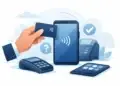
What Is a WhatsApp QR Code for Business?
A WhatsApp QR code is a scannable code that opens a chat with your business in WhatsApp. It can lead to a standard conversation or prefill a message such as “I’d like to book an appointment,” “Can I get help with my order?” or “I have a question about your services.”
The customer scans the code with their phone camera, taps the prompt, and WhatsApp opens with your business number ready to contact. There is no need to type a number manually, save a contact first, or navigate through several pages.
For a restaurant, this might mean placing a code on a table tent so diners can ask about private events. For a dental office, it could sit at reception for patients who want to request an appointment. For a retail store, it can be added to packaging or a counter display to support product questions after purchase.
The QR code itself is simple. Its value comes from where you place it, what conversation it starts, and how quickly your team responds.
Why WhatsApp Belongs at the Point of Service
A strong customer experience does not stop when a customer leaves your premises. People may remember a question on the way home, need to reschedule, or want to share feedback after they have had time to think. A visible WhatsApp code keeps the door open.
It also removes friction for staff. Instead of saying, “You can call us later” or “Find us online,” your team can point to a polished display and say, “Scan here and message us anytime.” That is easier to deliver consistently, especially during busy service periods.
For businesses that depend on appointments, repeat visits, local referrals, and reputation, fast communication can support real commercial outcomes. Quick answers can prevent booking drop-off. Helpful follow-up can improve loyalty. A well-handled issue can turn a disappointed customer into someone willing to give the business another chance.
WhatsApp is not a replacement for every channel. Some customers will still prefer a phone call, email, or online booking form. But it is a useful option when convenience and speed are the priority.
6 Practical Uses for a WhatsApp QR Code for Business
1. Capture booking and appointment inquiries
Place a QR code at your reception desk, storefront window, checkout area, or printed promotional materials. Set a prefilled message such as “Hi, I’d like to schedule an appointment.” This works particularly well for salons, spas, clinics, gyms, hotels, and service businesses where customers may want to inquire outside normal call hours.
A code will not replace a full booking system if customers need to view live availability and pay online. It can, however, catch customers who would otherwise postpone the task and never return.
2. Provide fast post-purchase support
Packaging, thank-you cards, hang tags, and product inserts can all direct buyers to WhatsApp after a purchase. A retailer can use this to answer product setup questions. A service provider can use it to share aftercare guidance or collect relevant details before a follow-up.
Make the call to action specific. “Need help with your order? Scan to message us” performs better than a vague “Contact us.” Customers should know exactly what will happen after scanning.
3. Help guests ask questions without waiting
Restaurants, cafés, hotels, and venues can place a code in locations where questions naturally arise. A hotel guest may want to ask about late checkout. A diner may need private-event information. A visitor at a fitness studio may want to know which membership fits their schedule.
Used thoughtfully, this reduces pressure on the front desk while making the business feel more responsive. It should support your team, not create a message queue nobody owns. Assign responsibility for checking WhatsApp messages during business hours and set realistic response expectations.
4. Turn service recovery into a private conversation
Not every unhappy customer wants to raise an issue face-to-face. A QR code labeled “Need help? Message our team” gives them a discreet route to explain what happened. That can be especially valuable in hospitality, healthcare-adjacent services, beauty, and retail settings where the customer may prefer privacy.
The trade-off is clear: a private messaging channel is only effective if someone responds with care. A delayed or generic reply can make frustration worse. Create a simple internal process for urgent issues, refunds, and escalations before promoting the code widely.
5. Create a bridge from physical service to reviews
WhatsApp and review collection can work side by side, but they serve different jobs. WhatsApp starts a conversation. A Google, TripAdvisor, Trustpilot, or Facebook review link asks customers to share their experience publicly.
At the point of service, consider offering both options on a branded display. Customers who need assistance can message your team. Customers who are happy can leave a review with a quick scan or tap. This approach respects the customer’s intent instead of sending everyone to the same destination.
ReviewsLink products can be assigned to WhatsApp, review platforms, social channels, or a custom URL, making it possible to build physical touchpoints around the action that best supports each location.
6. Make local marketing materials more useful
A WhatsApp QR code can earn its place on more than a countertop. Add it to flyers, event signage, vehicle decals, brochures, loyalty cards, and promotional displays when immediate conversation makes sense. A prospective customer who sees your offer can message while their interest is high.
Do not put the same code everywhere without tracking the purpose. Use different prefilled messages for different placements, such as “I saw your event sign” or “I’m interested in catering.” Your team can then see what sparked the inquiry and which physical locations are producing the best leads.
How to Create a WhatsApp QR Code That Gets Used
Start with a dedicated business number, ideally through WhatsApp Business. Your business profile should clearly show your name, category, hours, and a professional image. Customers are more likely to message when they can immediately see they are contacting a legitimate business.
Next, choose the first message carefully. Prefilled text reduces effort, but it should not be so long that customers feel they are sending a scripted request. Keep it natural: “Hi, I have a question about your services” or “Hi, I’d like to learn more about booking.”
Then focus on the physical experience. The code needs enough contrast, clear space around it, and a short instruction beside it. A premium stand, table tent, card, plaque, sticker, or customized display can make the action obvious without looking like an afterthought. Place it where customers have a few seconds to notice it and scan comfortably.
Test the code on both iPhone and Android devices before printing at scale. Confirm that it opens the right chat, the prefilled message appears correctly, and your staff receives notifications. If your QR code is part of a larger display with an NFC tap option, test both actions. Some customers will scan; others will tap.
Set Expectations Before You Invite Messages
A WhatsApp channel creates an expectation of responsiveness. If your team only monitors messages between 9 a.m. and 5 p.m., say so in your profile or automated greeting. If appointment requests require a response within one business day, make that clear.
You should also protect customer privacy. Avoid asking people to send sensitive health, payment, or identification information through chat. For clinics and healthcare organizations, use WhatsApp for general inquiries and route protected information through approved processes. The right workflow depends on your industry and compliance requirements.
Finally, measure what happens after the scan. Track inquiry volume, response time, bookings, repeat visits, and common questions. If customers keep messaging about the same issue, the answer may belong on your website, in an automated reply, or on a sign near the QR code.
A well-placed WhatsApp code is not just another piece of printed marketing. It is a simple invitation to continue the conversation when customers are ready – and a polished way to turn everyday in-person moments into stronger relationships.