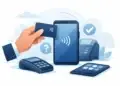


A customer has just finished a great meal, checked out after a salon appointment, or thanked your front-desk team. That is the best moment to ask for feedback. But do tap cards need apps to make that moment work? No. A well-configured NFC tap card sends the customer straight to your chosen review or engagement link without requiring them to download a separate app.
That simplicity is the point. A customer taps a card, stand, sticker, or table tent with their phone, sees a prompt, and opens a review destination in seconds. If tapping is not available on their device, they can scan the QR code instead. For businesses that want more Google reviews, stronger ratings, and a polished way to request feedback, tap-and-scan tools remove a common source of friction.


Do Tap Cards Need Apps to Work?
Tap cards use Near Field Communication, usually called NFC. This is the same short-range technology used for contactless payments, hotel key cards, and transit passes. An NFC chip inside the card holds a web link. When a compatible smartphone is held close to it, the phone reads that link and displays a notification or opens it in the browser.
The customer does not need to install an app to read the card. They simply tap their phone near the NFC area and follow the prompt. The link can lead directly to a Google Review form, TripAdvisor, Trustpilot, Booking, Facebook, Instagram, WhatsApp, a feedback page, or another custom URL.
In many cases, the customer may still need to sign in to the platform where they are leaving a review. For example, Google may ask them to sign in to their Google account before posting. That is a platform requirement, not a requirement of the tap card. The card itself does not ask them to create an account, download software, or enter a long web address.
What Actually Happens When Someone Taps
The process is intentionally simple. Your business assigns a digital destination to the NFC product. A customer holds their phone close to the card or display. Their phone recognizes the NFC signal and offers a notification. One tap on that notification opens the selected destination.
For an independent coffee shop, that might mean a Google review screen appears while the customer is still at the counter. For a dental practice, it could open a review page at checkout. For a hotel, a branded NFC card at reception can send guests to Google, TripAdvisor, or a post-stay feedback page.
No app installation means fewer abandoned attempts. Every extra step can cost a review, especially when a customer is in a hurry. A physical prompt paired with a direct digital destination makes the request feel natural rather than burdensome.
Why QR Codes Still Matter
NFC is fast, but QR codes give customers another easy path. Most modern smartphones can scan a QR code directly through the native camera. They do not need a dedicated QR scanner app either.
That is why NFC and QR work so well together on the same product. Customers with NFC-enabled phones can tap. Customers who prefer scanning, have NFC turned off, or are using an older device can scan the visible code. Your business is not relying on one behavior or one type of phone.
A premium review stand on a restaurant table, for example, can invite guests to tap or scan. A salon can place a small smart tag at the checkout desk. A retail business can use a counter display, sticker, or hang tag near the point where customers are most likely to share their experience. The technology stays in the background while the call to action remains clear: leave a review with a simple scan or tap.
When an App May Be Involved
Although customers do not need an app for the tap card itself, an app can be involved in a few situations. The distinction matters because it helps you set accurate expectations for staff and customers.
First, a review platform may open its own installed app instead of a web browser. If a customer taps a card linked to Instagram, Facebook, or WhatsApp and already has that app installed, their phone may open it automatically. This can be convenient, but it is not required for the NFC product to function.
Second, some businesses use a dashboard or account portal to manage their links, activate products, or update destinations. That management process may be done through a website or, in some cases, an app. It is for the business owner or manager, not the customer standing at the counter.
Third, a custom customer journey might be built around a business’s own mobile app. A gym, loyalty program, or large hospitality group may decide to direct members to an app-based experience. That can work well for repeat customers, but it introduces an extra step for new visitors. If your goal is maximum review participation, a direct web link is usually the easier choice.
What Customers Need Instead of an App
Customers need a compatible smartphone, an internet connection, and access to the review platform. On most newer iPhones and Android phones, NFC reading is available by default or easily enabled in settings. QR scanning through the camera is also widely available.
There are practical exceptions. Some older phones may not support NFC. A customer may have NFC disabled. Poor cellular service or weak Wi-Fi can slow down the review page. This is exactly why placing a QR code next to the tap point is valuable. It gives customers a reliable alternative without forcing staff to troubleshoot phones.
A good physical display also helps customers understand what to do. The most effective message is short and specific, such as Tap or scan to review us on Google. Avoid vague instructions that make people wonder where the tap will lead. Clear platform branding, an elegant finish, and placement at the right customer moment all increase the chance that the interaction becomes a completed review.
How to Set Up Tap Cards for Better Review Results
The technology is easy. The strategy is where businesses gain more value. Start by deciding where you want customers to go. Google Reviews is often the priority for local visibility, but it is not the only useful destination. A boutique hotel may prioritize TripAdvisor or Booking. A beauty business may send customers to Instagram. A service company may prefer WhatsApp for fast follow-up conversations.
Then place the product where satisfaction is highest and the next step feels appropriate. Restaurants often see strong results with table tents, check presenters, coasters, or counter stands. Clinics and dental offices can use a discreet countertop card at checkout. Spas and salons can place branded smart tags near the payment terminal. Retailers can use compact displays at the register or QR stickers on packaging and pickup areas.
Staff should know how to introduce the card without sounding scripted. A simple line works: If you enjoyed your visit, you can tap or scan here to leave us a quick Google review. The request should come after a positive service moment, not before the customer has experienced the value of your business.
Do not offer discounts, gifts, or entries into a drawing in exchange for reviews. Major review platforms prohibit incentivized feedback, and it can damage trust. The better approach is to make an honest request easy to act on. Let customers share their real experience, whether it is praise, a suggestion, or a concern your team can learn from.
Can One Tap Card Be Updated Later?
It depends on how the card is programmed. A product with a fixed direct link will always send customers to that original destination. A product connected to a managed or editable link can be reassigned if your priorities change.
That flexibility matters when a business adds a new location, changes a Google Business Profile, launches a seasonal campaign, or wants to redirect customers from one platform to another. ReviewsLink products can be assigned to selected destinations after purchase, which gives operators more control as their customer-engagement needs evolve.
For multi-location businesses, create a clear system before placing products. Each location should point to its own correct review profile. Label your cards, stands, or displays internally and train managers to keep them in the intended location. Sending a happy customer to the wrong listing is an avoidable missed opportunity.
The Real Benefit Is Less Friction
The question is not only whether tap cards need apps. It is whether customers can act on a positive experience before that feeling fades. A direct NFC or QR journey keeps the path short: see the request, tap or scan, choose the platform, and leave feedback.
That small improvement can support larger business goals. More recent, authentic reviews can build customer trust, improve local search visibility, help prospects choose your business, and give your team useful feedback about what customers value most. The card is a physical reminder, but the result lives where future customers make decisions.
Choose a polished tap-and-scan display, place it at a natural service moment, and make the destination clear. When leaving feedback takes only a few seconds, more customers will be willing to share the experience they just had.