


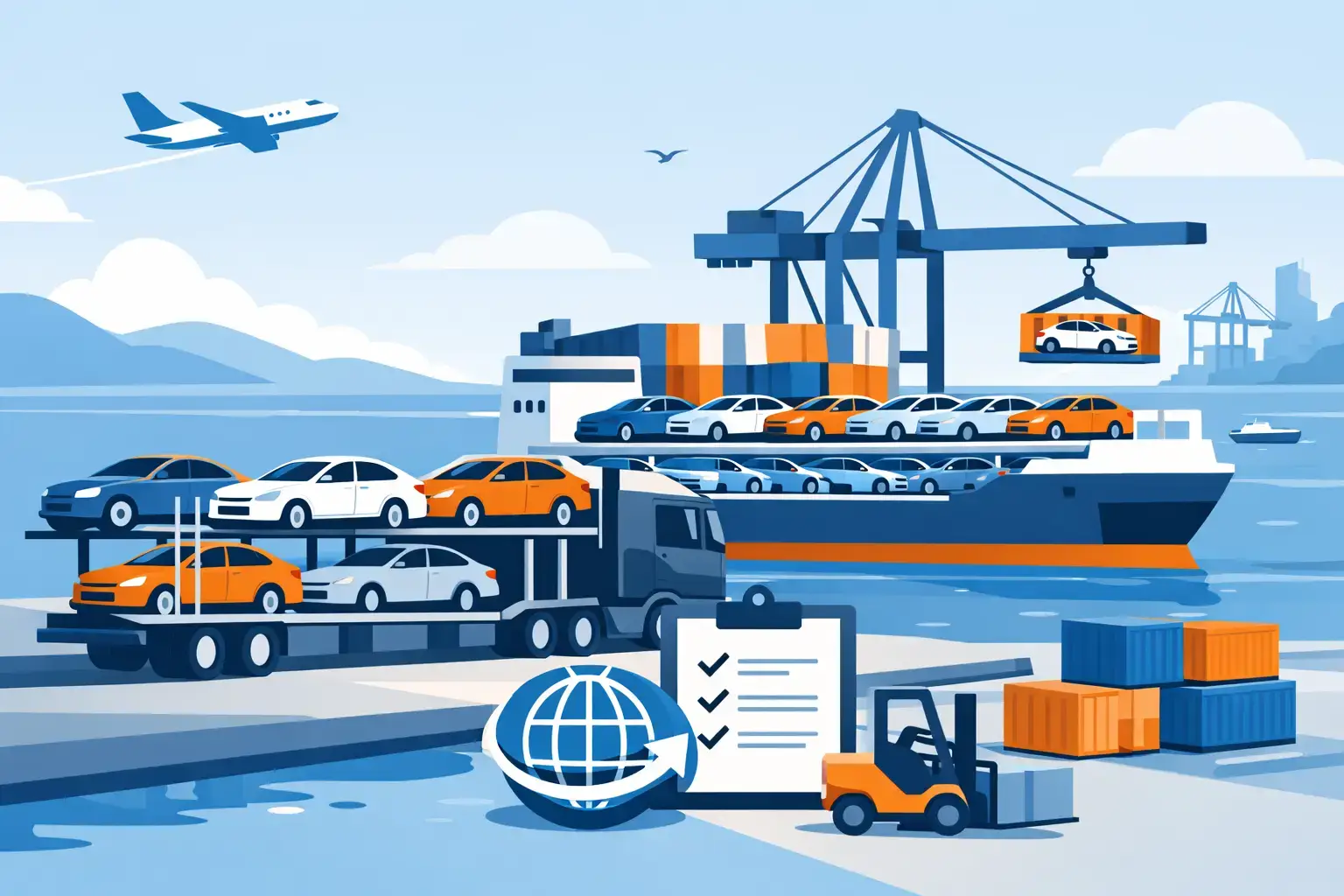
A shipment of 20 vehicles can become expensive long before it reaches the port if collection dates, yard capacity, export documents, and vessel cutoffs are not controlled from the start. Effective bulk vehicle export logistics brings those moving parts under one operating plan, helping exporters protect vehicles, avoid storage surprises, and move volume with predictable costs.
For manufacturers, dealers, rental fleets, traders, and project teams, the objective is not simply to put vehicles on a ship. It is to deliver the right units, in the right condition, with the right documents, to the right destination market. That requires planning before the first vehicle enters a yard.


What Makes Bulk Vehicle Export Logistics Different?
Bulk vehicle shipping involves more than repeating a single-car export process many times. Volume creates efficiencies, but it also creates dependencies. A delayed batch of vehicles, an incorrect chassis number on an export declaration, or a late vessel booking can affect an entire shipment.
The transport method must match the vehicle type, quantity, destination, transit time, and budget. Roll-on/roll-off services are often a practical option for operable cars, trucks, buses, and machinery that can be driven onto a vessel. Container loading may offer additional protection for selected units, high-value vehicles, or routes where container capacity is more suitable. Flat racks, breakbulk, and specialized handling may be required for oversized equipment, non-running vehicles, or units that cannot fit standard loading profiles.
There is no single best method for every movement. RoRo can reduce handling and per-unit freight costs for large volumes, while containers can provide more control over how vehicles are secured and protected. The right choice depends on the cargo and destination requirements, not only the freight rate.
Start With a Shipment Plan, Not a Booking
The strongest bulk export programs begin with a clear shipment profile. Before booking space, confirm the number of units, makes and models, dimensions, operating condition, vehicle values, destination port, required delivery date, and any country-specific import restrictions.
This information determines how much yard space is needed, whether vehicles can move under their own power, what securing equipment is required, and how much time should be allowed for customs processing. It also gives the logistics provider a realistic basis for selecting a carrier and scheduling delivery to port.
A workable plan should account for vehicle arrival patterns. Some exporters release all units at once; others receive stock in stages from auctions, factories, dealerships, or regional collection points. In the second case, secure open-yard storage becomes a key part of the operation. Vehicles need to be received, inspected, recorded, parked safely, and made available for loading when the shipment is complete.
Build Time Around Vessel Cutoffs
Vessel departure dates are not the only dates that matter. Documentation cutoffs, customs submission deadlines, cargo receiving windows, and terminal delivery times can all fall days before a vessel sails. Planning backward from the required arrival date gives the operation room to absorb ordinary disruptions, such as late vehicle releases or carrier schedule changes.
For regular export programs, a rolling forecast is more effective than booking each shipment at the last minute. Forecasting expected volume by week or month helps secure capacity, organize yard operations, and identify seasonal pressure points before they become urgent.
Secure Storage and Condition Control Matter
A vehicle can be technically ready for export but still require careful handling while it waits for departure. Large-volume movements often involve days or weeks of staging, especially when vehicles are being consolidated for a single destination.
Secure storage should include controlled access, documented receiving procedures, organized parking, and regular condition awareness. A clear vehicle inventory should capture the vehicle identification number, make, model, color, key status, location in the yard, and visible condition at receipt. Photographs can be useful where customers need additional condition records.
This process protects both the exporter and the logistics operator. It reduces the risk of loading the wrong unit, helps resolve questions quickly, and keeps the shipment traceable from yard receipt through final handover. For valuable, specialty, or collector vehicles, the handling plan may also include covered storage or extra protective measures.
Euro Star Shipping Services combines vehicle handling experience with storage and export operations in Dubai, supporting shipments from individual cars to high-volume commercial vehicle movements.
Documentation Must Match the Physical Cargo
Bulk vehicle export documents are not paperwork to complete after loading. They are an operational control point. The details shown on export declarations, commercial invoices, packing information, bills of lading, and destination documents must match the actual vehicles presented for shipment.
Chassis or VIN accuracy is especially important. One incorrect character can delay customs processing, complicate destination clearance, or create avoidable rework after cargo has reached the terminal. Exporters should verify vehicle records before delivery to the loading facility, rather than trying to correct discrepancies when the vessel cutoff is close.
Documentation requirements vary by destination. Some countries require specific vehicle inspections, title documents, certificates, or advance cargo information. Used vehicles, salvage vehicles, scrap cars, and vehicles with modifications may face additional rules. A dependable logistics partner identifies these requirements early and coordinates with the shipper, carrier, customs authorities, and destination agent as needed.
Keep Vehicle Status Visible
Visibility is not only about tracking a vessel at sea. Commercial shippers need to know which vehicles have been collected, received into storage, cleared for export, loaded, and shipped. A status report organized by VIN gives sales teams, importers, and destination receivers a practical view of the shipment.
For large consignments, this information helps prevent costly assumptions. If ten vehicles are awaiting documents and the remaining 90 are ready for loading, the exporter can make a timely decision: hold the entire lot, ship the ready units, or move the delayed vehicles on the next available departure.
Control Costs Beyond the Ocean Freight Rate
The lowest quoted ocean freight rate does not always create the lowest total landed cost. Bulk vehicle export logistics should account for collection, handling, yard storage, loading, lashing or securing, customs clearance, terminal charges, documentation, insurance, and destination-side costs where applicable.
Storage is a common area where costs can rise. If vehicles arrive too early without a planned loading date, storage charges can accumulate. If they arrive too late, the exporter may miss the vessel and incur additional handling or rebooking costs. The goal is not to eliminate storage completely, since staging is often necessary, but to use it deliberately.
Freight choices also involve trade-offs. A direct sailing may have a higher rate but reduce transit time and transshipment exposure. A lower-cost routing may be suitable for non-urgent stock, but it can add schedule risk. The correct decision depends on inventory value, market demand, customer commitments, and the consequences of delay.
Choose a Partner That Can Handle Exceptions
Routine exports require discipline. Difficult exports require capability. The difference becomes clear when vehicles are oversized, non-operational, heavily modified, damaged, mixed with machinery, or moving to a destination with complex clearance requirements.
A qualified provider should be able to coordinate ocean, land, and air freight where needed; manage customs procedures; provide secure storage; arrange industrial packing; and organize specialized equipment for heavy or oversized units. Working with one accountable logistics partner can reduce handoffs between yards, transporters, customs brokers, and freight agents.
Ask direct operational questions before assigning a volume shipment. Where will vehicles be stored? How are VINs checked at receipt? Which shipping methods are available for the destination? What happens if a vehicle misses the cutoff? Who handles customs communication? How will shipment status be reported? Clear answers are usually a better indicator of service quality than a low initial quote.
Make the Next Shipment Easier Than the Last
Once a bulk movement is complete, review the actual timeline, costs, document issues, and handling exceptions. This turns one shipment into a more efficient repeatable process. Regular exporters can establish standard vehicle intake forms, document checklists, reporting formats, and booking lead times that remove uncertainty from future departures.
Whether you are exporting ten vehicles or hundreds, early coordination gives you more choices and fewer last-minute costs. Share the vehicle list, destination, and required timing with a shipping specialist before stock begins to accumulate, then build the movement around the operational details that protect your cargo and your schedule.