


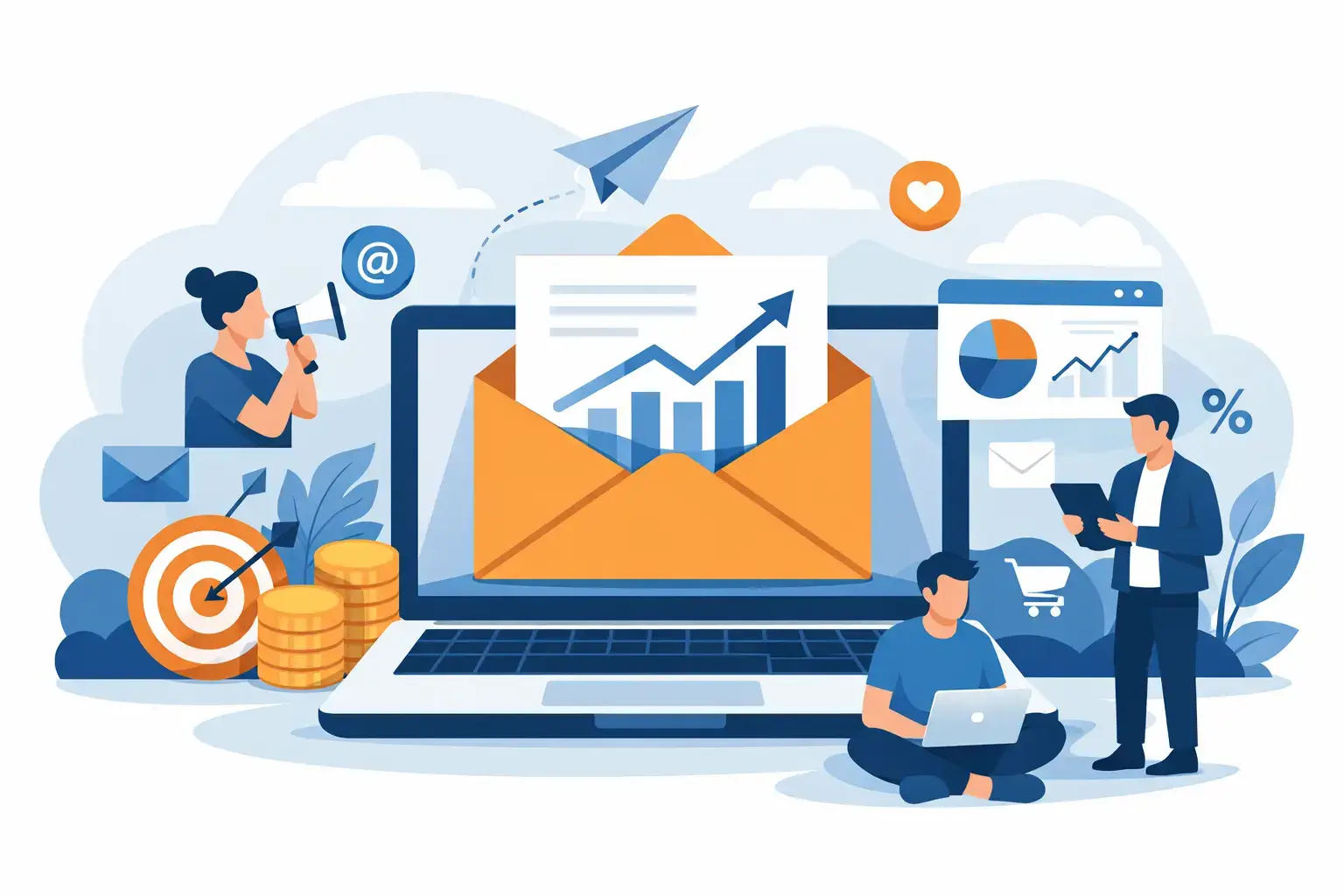
A new website visitor is valuable, but a visitor who leaves without calling, buying, or requesting a quote can be difficult to reach again. That is where email marketing campaign services create a practical advantage. A well-planned email program gives your business a direct channel to follow up, build confidence, promote the right offer, and turn interest into action.
For small and mid-sized businesses, email is not just a monthly newsletter. It can support sales teams, bring back previous customers, reduce abandoned carts, fill appointments, announce new services, and keep your brand visible between purchases. The difference is strategy. Random promotional messages are easy to ignore. Relevant, timely emails built around real customer behavior can produce leads and revenue long after the first campaign is sent.


What Email Marketing Campaign Services Should Deliver
A professional email campaign should begin with a business objective, not a design template. Do you need more quotation requests? Are you launching an online store? Do you want to move hotel guests toward direct bookings, encourage repeat retail purchases, or re-engage customers who have not ordered in months? The campaign structure should match that goal.
Email marketing campaign services typically combine campaign planning, audience segmentation, copywriting, email design, automation, testing, delivery management, and reporting. Each part matters. A polished email sent to the wrong audience will still underperform. A strong offer can also fail if the message arrives at the wrong time or the call to action is unclear.
The best programs connect email activity to measurable business outcomes. Open rates are useful, but they are not the final result. Business owners should also see clicks, inquiries, booking requests, purchases, conversion rates, and revenue where tracking is available. This creates a clearer answer to the question every marketing manager must ask: is this campaign producing business?
Start With the Right Customer Data
A business does not need a massive database to benefit from email marketing. A smaller list of genuine prospects and customers can outperform a large, unqualified audience. What matters is permission, accuracy, and relevance.
Your contacts may come from website forms, online purchases, event registrations, consultation requests, in-store signups, customer service interactions, or previous clients. These contacts should be organized before a campaign begins. At minimum, separate new leads from existing customers. From there, segmentation can become more specific based on location, service interest, purchase history, industry, or engagement level.
A travel agency, for example, should not send the same message to every subscriber. A customer interested in family holidays may respond to a different offer than a traveler looking for a business visa service. A B2B technology company may need separate messages for owners, operations managers, and IT decision-makers. Better targeting makes the content feel useful rather than intrusive.
Customer data also requires care. Sending campaigns to purchased lists or people who never agreed to hear from you can damage trust and email deliverability. A professional service protects your reputation by using permission-based lists, clear unsubscribe options, and responsible data practices.
Build Campaigns Around the Buying Journey
One email rarely closes every sale. People often need time to compare options, involve a partner, confirm a budget, or decide whether they trust a provider. A campaign should support that decision process instead of pushing the same sales message repeatedly.
For a new lead, the first email might confirm their inquiry and explain what happens next. A follow-up can highlight a relevant service, client result, or key benefit. A later message can offer a consultation, quote, product demonstration, or limited-time incentive. The sequence should feel logical and helpful.
Existing customers need a different approach. They may benefit from renewal reminders, maintenance updates, complementary services, new product announcements, or exclusive customer offers. A web design client, for instance, may later need SEO, paid advertising, hosting support, branded graphics, or email automation. When services work together, email can introduce the next solution at the right moment.
Automation is especially valuable here. Welcome emails, inquiry follow-ups, birthday offers, cart recovery emails, appointment reminders, and post-purchase messages can run automatically once they are set up correctly. This saves time while ensuring prospects do not wait days for an important response.
Design and Copy Must Make Action Easy
Email design should support the message, not compete with it. Busy layouts, oversized images, and too many offers can distract readers. Most people scan email quickly, often on a phone. They should immediately understand who the email is from, why it matters, and what to do next.
A strong campaign uses a clear subject line, recognizable branding, concise copy, a focused offer, and a visible call to action. The action could be “Request a Quote,” “Book Your Consultation,” “Shop the Collection,” or “View Available Packages.” One primary action usually performs better than asking readers to visit five different pages.
The tone should fit the business and the customer relationship. A law firm needs credibility and clarity. A restaurant can be warmer and more visual. An automotive business may focus on service reminders, financing offers, or new stock. There is no single email style that works for everyone, which is why generic templates have limits.
Mobile responsiveness is non-negotiable. If buttons are difficult to tap, text is too small, or images load slowly, the campaign loses opportunities. Good email marketing includes testing across devices and inbox providers before delivery.
Email Marketing Campaign Services Need Testing
Even experienced marketers cannot accurately predict every customer response. Testing turns assumptions into practical decisions. A campaign may test two subject lines, different send times, a shorter version of the copy, or two calls to action. The winning approach can then guide future emails.
Testing should be purposeful. Changing every element at once makes results hard to interpret. If you test subject lines, keep the core message similar. If you test offers, use comparable audience segments. Over time, the business learns what its customers prefer, whether that is a direct discount, a free consultation, a service bundle, or educational content.
It also depends on the size of your list. Very small lists may not provide enough data for detailed split testing, but they can still benefit from tracking replies, clicks, inquiries, and sales conversations. The goal is continuous improvement, not complicated reporting for its own sake.
Reporting Should Connect Email to Revenue
Marketing reports should be easy for decision-makers to understand. A useful monthly report shows how many emails were delivered, opened, clicked, and unsubscribed from, then connects those activities to leads or sales whenever possible.
Deliverability deserves attention as well. If emails land in spam folders, even excellent content cannot perform. List quality, sending consistency, domain setup, authentication, engagement, and content choices all influence whether messages reach the inbox. This is one reason email should be managed as an ongoing business channel rather than a one-time campaign.
For businesses running paid advertising, SEO, social media, and website lead generation, email reporting can reveal the full value of those efforts. A lead may first find your company through Google, then subscribe through a website form, then convert after receiving three helpful emails. Without connected tracking, that customer journey is easy to miss.
Choosing the Right Service Partner
The right provider should understand both marketing and the technical side of delivery. Campaigns need persuasive content and attractive design, but they also need clean data, secure platform setup, automation logic, responsive templates, analytics, and reliable support.
Ask whether the provider will build campaigns around your sales process or simply send a template. Find out how they handle segmentation, reporting, list hygiene, automation, and approval workflows. For growing businesses, speed matters too. You need a partner that can respond when a seasonal promotion, product launch, or urgent announcement cannot wait.
Your(1)Site helps businesses connect email campaigns with websites, e-commerce platforms, lead generation, branding, and performance marketing, so every message has a clear job: move prospects closer to becoming customers.
The most effective next step is simple: identify one customer group, one valuable offer, and one action you want them to take. A focused email campaign can start a conversation today and keep creating opportunities long after the send button is pressed.