


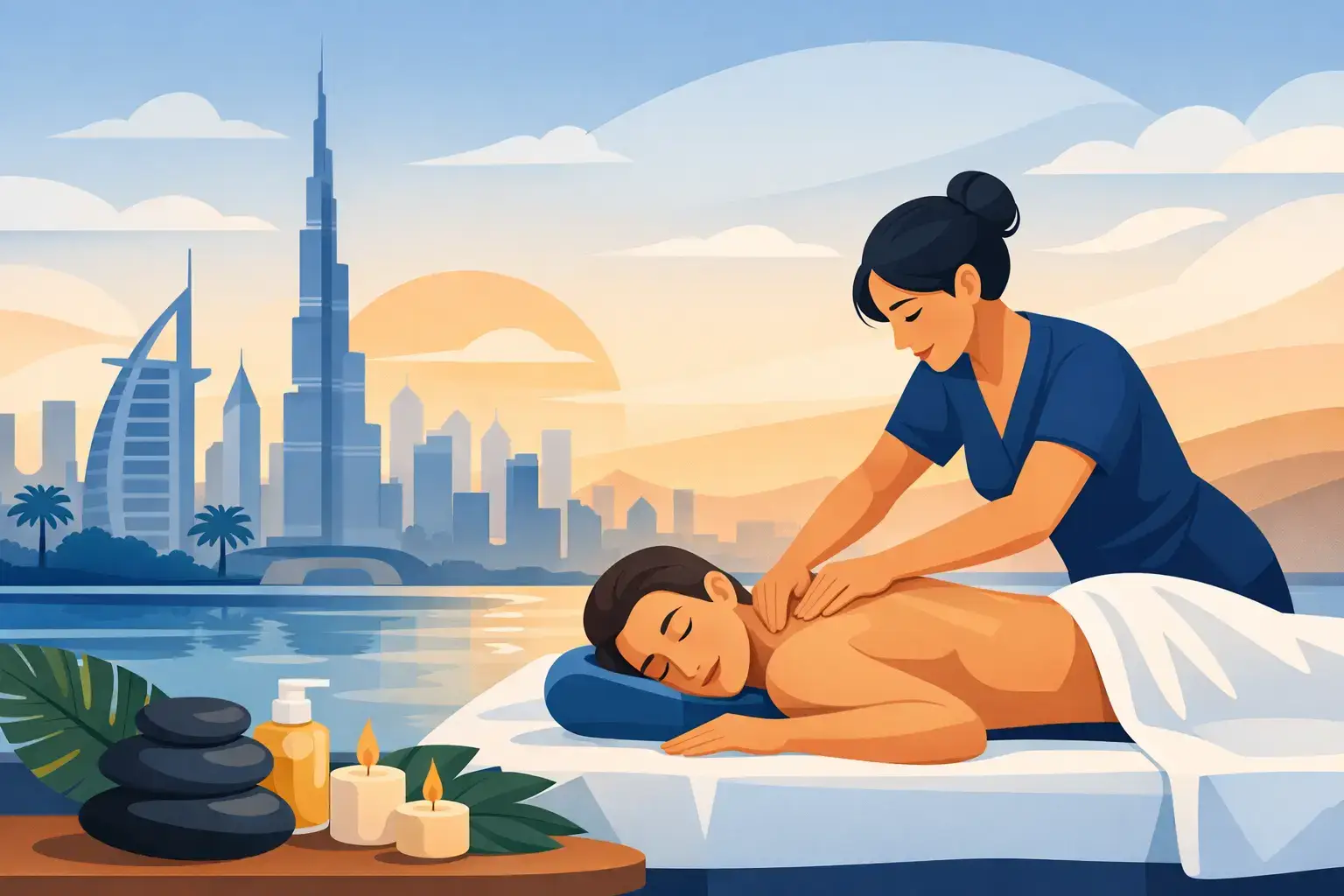
A tight neck after a week of meetings, lower-back fatigue after a long flight, or shoulders that never seem to drop can make even a quiet evening feel demanding. A deep tissue massage Dubai experience offers a more focused form of body care for those moments, using deliberate pressure to address the deeper layers of muscles where persistent tension often settles.
At Orange Spa in Al Barsha, deep tissue therapy is designed as more than a strong massage. It is a considered, restorative treatment for guests who want to feel lighter, more comfortable, and better able to move through their day. Whether you live nearby, work around Mall of the Emirates, or are visiting Dubai and feeling the effects of travel, the right session can create a welcome pause for your body.


What makes deep tissue massage different?
Deep tissue massage uses slow, purposeful strokes and sustained pressure to work through areas of muscular tightness. While a Swedish massage is typically centered on flowing movements and whole-body relaxation, deep tissue work places greater attention on specific areas that feel dense, overworked, or restricted.
This does not mean the treatment should feel punishing. Effective deep tissue therapy is not about tolerating the highest possible pressure. It is about giving trained therapists the information they need to adjust their technique to your comfort, your body, and the places that need attention most. Firm pressure can be deeply satisfying, but it should remain manageable throughout the session.
For many guests, the difference is most noticeable after long hours at a desk, demanding workouts, frequent driving, or travel. The upper back, neck, shoulders, hips, calves, and lower back often hold the physical signs of these routines. A focused massage can help those areas feel less guarded and more at ease.
Who can benefit from deep tissue massage in Dubai?
Dubai moves quickly. Professionals often spend full days at screens, residents balance busy schedules and commutes, and visitors may arrive with jet lag, stiff legs, and disrupted sleep. Deep tissue massage is a fitting choice when relaxation alone does not feel like enough and your body is asking for more targeted care.
You may enjoy this treatment if your shoulders feel raised and tense, your back feels tired after sitting, or your legs feel heavy after exercise or sightseeing. It can also suit guests who simply prefer a firmer massage style and want to leave with a clearer sense of physical release.
The best choice still depends on your goal that day. If you feel mentally overloaded and want soft, calming touch, aromatherapy or Swedish massage may be more appropriate. If warmth is what helps your muscles relax, hot stone massage can be especially inviting. Deep tissue therapy is ideal when you want the session to focus on areas of stubborn tightness, but it does not have to be your answer every time you visit a spa.
What to expect during your session
A professional treatment starts with a short conversation. Share where you feel tension, whether you have recently exercised, and what pressure level feels comfortable. Mentioning old injuries, areas of sensitivity, or any health considerations allows your therapist to tailor the experience with greater care.
The session usually begins with movements that warm the muscles before the therapist applies slower, firmer techniques. Rather than rushing across the body, deep tissue massage gives time to the areas that need it. You may notice a sensation of productive pressure or tenderness in particularly tight muscles, followed by a feeling of release as the area softens.
Communication matters throughout. A simple request for lighter pressure, more attention to the shoulders, or less work around a sensitive area helps create a better experience. Massage is personal. A skilled therapist will adapt, rather than follow a fixed level of pressure from start to finish.
Afterward, many guests feel calm, pleasantly tired, and less restricted in the areas that had been holding tension. Others feel energized by the change in comfort and movement. Hydrating, avoiding an intense workout immediately after your appointment, and allowing yourself a quiet evening can help you enjoy the unhurried feeling of the treatment.
Choosing the right pressure for your body
There is a common belief that deep tissue massage must hurt to be effective. In reality, excessive pain can cause muscles to tighten in response, which works against the calm, receptive state that supports a satisfying massage. The goal is firm, focused care within your own tolerance.
If it is your first deep tissue session, start with a moderate pressure and let the therapist know how it feels as the treatment progresses. Guests who regularly receive massage may choose stronger work in the back, hips, or legs, while still preferring gentler pressure around the neck or arms. Your preferences can change from one appointment to the next, especially after exercise, poor sleep, or travel.
Deep tissue massage is not appropriate for every situation. If you have a recent injury, acute inflammation, unexplained pain, blood-clotting concerns, or are recovering from surgery, seek guidance from an appropriate medical professional before booking. A spa treatment can be a beautiful complement to a healthy routine, but it is not a substitute for medical assessment or treatment.
Make your massage a fuller spa ritual
A focused massage can stand beautifully on its own, especially when time is limited. Yet some days call for a slower kind of renewal. Pairing bodywork with a steam bath, jacuzzi time, or Moroccan bath can turn a practical appointment for tense muscles into a more complete escape from the pace of Dubai.
Warmth before a massage may help the body feel more ready for touch, while a quiet spa setting afterward gives you time to settle back into yourself. For couples, the experience can also become a shared reset after a busy week, with each person selecting the massage style that best fits their needs.
This flexibility is part of the pleasure of a well-rounded spa menu. One guest may want deep tissue work for tight shoulders, while another may prefer the softer rhythm of aromatherapy or the comforting heat of stones. Both can leave feeling cared for in a way that feels personal rather than prescribed.
Why location and atmosphere matter
A massage should not create more effort than it removes. Choosing a spa in Al Barsha, close to Mall of the Emirates, makes it easier to fit restorative time into a workday, a weekend plan, or a relaxed afternoon while visiting the city. Convenience allows self-care to become part of your routine rather than something you keep postponing.
The setting matters, too. Deep pressure feels different when it takes place in a private, calm environment with attentive service and space to breathe. From the moment you arrive, the experience should invite your nervous system to slow down. The treatment itself may be focused and therapeutic in feel, but the atmosphere can remain warm, polished, and indulgent.
A better way to care for recurring tension
If the same tight areas return again and again, consider what your body is responding to outside the spa. Screen posture, rushed meals, dehydration, stress, long drives, and insufficient recovery after exercise can all contribute to ongoing discomfort. Regular massage may support a more comfortable routine, especially when paired with gentle movement, rest, and attention to your daily habits.
There is no need to wait until tension becomes overwhelming before booking time for yourself. A deep tissue massage can be a thoughtful response to a demanding week, a post-travel reset, or simply a private hour devoted to feeling more at home in your body. Choose the pressure that feels right, share what you need, and allow the rest of the day to feel a little less heavy.