


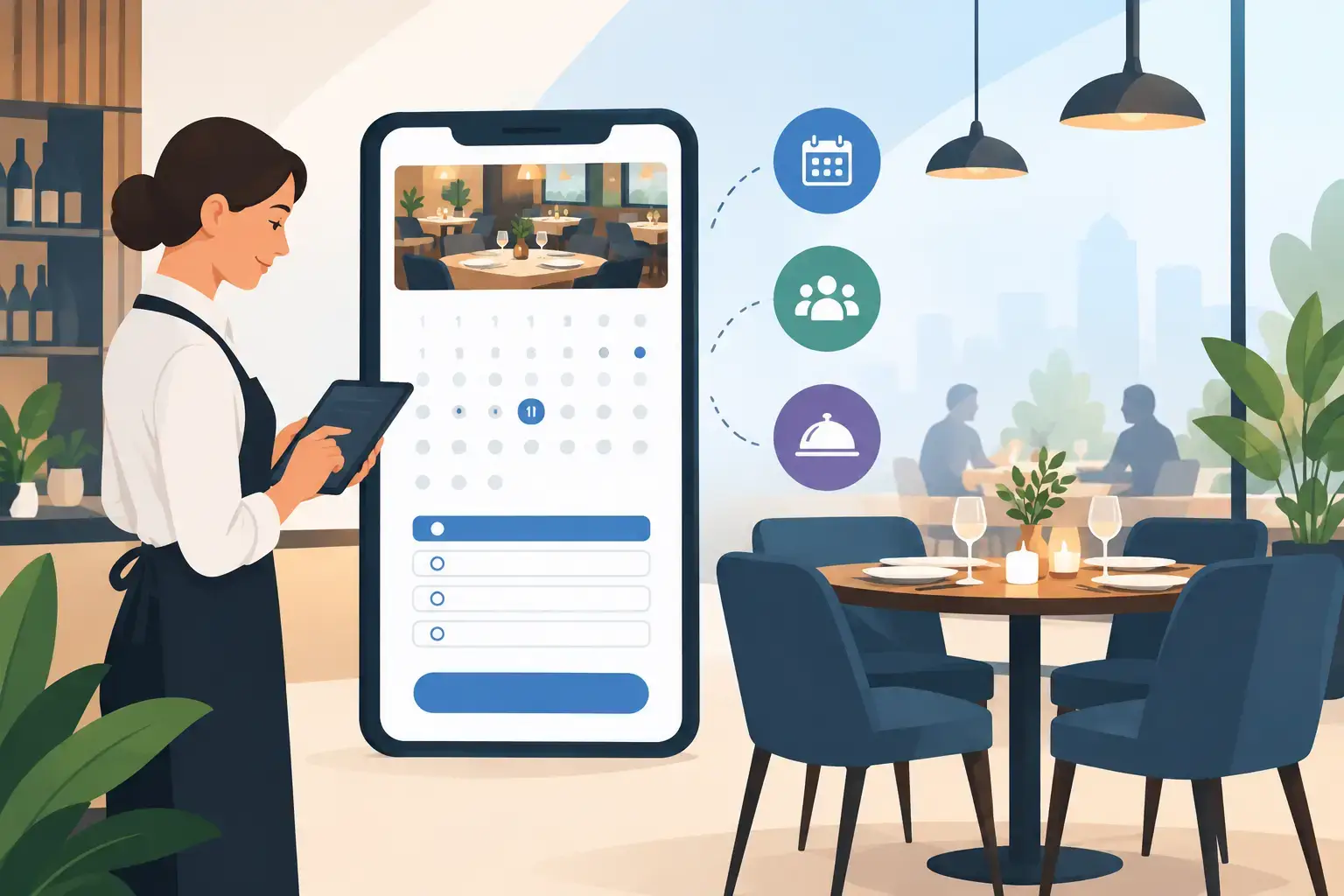
A reservation is not just a name, a time, and a party size. It is a promise of revenue, a staffing decision, and often a guest’s first real interaction with your restaurant. That is why searches for best booking systems restaurants can rely on should start with business goals, not a flashy feature list. The right platform helps fill seats, reduce no-shows, protect the guest experience, and give your team control during the busiest service.
For independent restaurants and growing hospitality groups, the wrong choice can create a costly problem: expensive covers, disconnected guest data, or a reservation process that frustrates staff and diners alike. The best choice depends on your concept, your service model, and how much ownership you want over customer relationships.


What a Restaurant Booking System Must Do
A restaurant booking system should make it easy for guests to reserve from your website, Google business listing, social channels, and phone-assisted channels. Behind the scenes, it must give hosts a live floor plan, clear table status, waitlist management, and practical controls for pacing reservations across each shift.
But the strongest systems do more than take bookings. They help you recognize frequent guests, record dietary notes or seating preferences, set cancellation policies, capture deposits when needed, and market intelligently to diners who have already chosen your restaurant once. For a restaurant with limited covers or high-demand weekend service, those capabilities can directly protect revenue.
The priority is not to buy every possible feature. A 35-seat neighborhood cafe has different requirements from a fine-dining venue, a hotel restaurant, or a multi-location casual dining brand. Start with the operational issue you need to solve: empty tables, no-shows, slow host communication, poor guest data, or a weak online booking journey.
Best Booking Systems for Restaurants: The Leading Options
Several established platforms stand out, but each comes with trade-offs in cost, control, and market reach. A smart comparison goes beyond the monthly fee.
OpenTable for visibility and established demand
OpenTable is one of the best-known names in restaurant reservations. Its large diner audience can be valuable for restaurants that need discovery as well as a booking engine. It also offers tools for guest profiles, table management, waitlists, and operational reporting.
The trade-off is that marketplace-driven platforms may charge per cover or add costs that grow alongside demand. That can make sense for a new restaurant seeking visibility in a competitive area. For an established brand with strong direct traffic, managers should calculate the long-term cost of bookings that could have come through their own website.
Resy for premium dining and guest experience
Resy is widely associated with sought-after restaurants and can suit concepts where brand positioning, event reservations, and a polished guest experience matter. Its tools can support customer notes, reservation pacing, and digital waitlists.
For upscale restaurants, it can be a strong match because the booking journey feels aligned with a premium service model. However, a restaurant should still confirm local market adoption. A platform may be excellent nationally while offering less demand-generation value in a specific city or region.
Tock for prepaid experiences and deposits
Tock is particularly useful for restaurants selling more than standard tables. Think chef’s tables, tasting menus, holiday events, cooking classes, wine dinners, and prepaid dining experiences. Its ability to collect payment or deposits at the time of booking gives operators a practical defense against costly no-shows.
This model is not necessary for every venue. Requiring prepayment for a casual lunch reservation can create friction. Yet for high-ticket, limited-seat experiences, it can turn uncertain reservations into committed revenue and make forecasting more accurate.
SevenRooms for direct guest ownership
SevenRooms is often a strong fit for restaurants that want to build direct relationships with diners rather than depend heavily on third-party marketplaces. It focuses on guest profiles, CRM capabilities, automated messaging, marketing campaigns, and personalized service.
This makes it attractive to restaurant groups, hotels, and brands with a meaningful loyalty strategy. It generally delivers more value when a business has enough reservation volume and marketing discipline to act on the data. If no one will use guest insights or campaign tools, a simpler system may deliver better value.
Yelp Guest Manager for waitlist and local discovery
Yelp Guest Manager can work well for restaurants that already receive significant local traffic through Yelp. It combines reservations, waitlist tools, table management, and diner discovery within a platform many consumers already use when choosing where to eat.
It is worth considering if local search visibility drives your covers. Still, do not let one listing platform become your only booking channel. Your website should remain a direct conversion asset where guests can reserve without being pulled away by competitors.
Tablein and simpler tools for independent operators
Smaller restaurants often do not need enterprise-level software or marketplace fees. Tools such as Tablein can appeal to independents looking for online reservations, table management, reminders, and a straightforward setup at a more accessible price point.
A simpler platform can be the right commercial decision when your team needs reliability, not complexity. Before choosing, check whether it supports your language needs, operating hours, floor plan requirements, deposits, and integrations with your point-of-sale system.
How to Choose the Right System for Your Restaurant
Do not make this decision based on a sales demo alone. Ask your host team to map a real Friday night: walk-ins arriving early, a large party calling to change its booking, delayed tables, VIP guests, and a waitlist that needs accurate updates. The best platform is the one that makes that shift calmer, not the one with the longest feature page.
First, decide whether you need a marketplace, a direct booking engine, or both. Marketplace platforms can introduce your restaurant to new diners. Direct bookings reduce dependency and give you stronger control over your customer data. Many successful restaurants use a mixed model: marketplace exposure where it pays off, plus a prominent booking path on their own website.
Next, look closely at no-show protection. Automated reminders are a baseline. Credit card holds, deposits, cancellation windows, and prepaid reservations should be available when your business model requires them. Use these tools carefully. A strict policy can protect a high-demand tasting menu, while a flexible approach may better suit family dining or quick-service concepts.
Integration matters just as much. Your booking system should work comfortably with your website, POS, customer relationship management tools, email platform, and reporting process. If staff must enter the same guest details into three systems, errors will follow and the promised efficiency disappears.
Your Website Is Part of the Reservation System
A booking platform cannot compensate for a slow website, confusing mobile experience, or weak restaurant brand. Most diners make reservation decisions on a phone, often after viewing menus, photos, reviews, location details, and social content. If the booking button is hard to find, you are paying to generate interest without converting it.
Place a clear Reserve a Table action in the top navigation and on every high-intent page. Keep the path short. Show your hours, address, phone number, parking details, menu, and special-event information clearly. If you operate multiple branches, make location selection obvious before a guest begins booking.
This is where an end-to-end digital partner can make a measurable difference. Your(1)Site can connect a restaurant website, booking workflow, hosting, analytics, and digital marketing so reservation data supports real growth rather than sitting in separate systems. The goal is simple: turn more visitors into confirmed guests, then encourage those guests to return.
Questions to Ask Before Signing
Ask providers how they price direct bookings versus marketplace bookings, whether you can export guest data, and what happens if you leave the platform. Confirm the support hours for your time zone, especially if your busiest service is evenings and weekends.
Also ask about setup time, staff training, payment processing, SMS costs, and integration fees. A low entry price can become expensive once add-ons are included. Request a test account or live demonstration using your own floor plan and reservation rules, not a generic sample restaurant.
Finally, define success before launch. Track direct reservation share, no-show rate, average spend for booked guests, table turn time, waitlist conversion, and repeat visits. Those numbers reveal whether the platform is improving profitability or simply digitizing the same old process.
The best restaurant booking system is the one your guests trust, your hosts can run confidently, and your business can afford as it grows. Choose the platform around your real service model, then make direct online booking easy enough that a hungry guest never has a reason to look elsewhere.