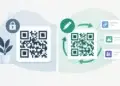


A five-star review at one location does not strengthen the reputation of the other nine. Each restaurant, clinic, salon, hotel, or retail store earns its own local trust, search visibility, and customer feedback. That is why a multi location review strategy guide must start with one practical reality: reputation is managed locally, even when the brand is managed centrally.
For multi-site operators, the goal is not simply to get more reviews. It is to create a repeatable system that makes it easy for satisfied customers to leave feedback at the right location, gives every team a clear role, and protects a consistent brand experience as the business grows.


Build the foundation before you ask for reviews
Start by confirming that every location has its own accurate presence on the platforms that matter to your customers. For many local businesses, Google Reviews is the priority because ratings and recent feedback influence how nearby customers choose where to eat, book, shop, or schedule care. Hotels may also prioritize TripAdvisor and Booking. Service brands may put more focus on Facebook, Trustpilot, or an industry-specific platform.
The key is location accuracy. Each profile should have the correct business name, address, phone number, hours, category, and website details. A customer who visits your downtown café should never be sent to the review page for your airport location. That creates frustration, damages reporting, and can leave the location that delivered the great experience without the review it earned.
Create a central record of each location’s review destination, manager, operating hours, and priority platform. This does not need to be complicated software. It can begin as a controlled internal document, as long as someone owns it and updates it when a location opens, moves, or changes its services.
Set one brand standard, then adapt it by location
Customers should recognize the same level of care across your business, but the moment you ask for a review can differ by industry and setting. A busy quick-service restaurant may need a simple request at checkout. A dental practice may ask after a successful appointment and before the patient leaves. A hotel may place a discreet review prompt at reception, in rooms, or near the departure point.
Central leadership should define the non-negotiables: which platforms each location uses, how the request is phrased, where review displays appear, who responds to feedback, and how escalations are handled. Location managers should have room to decide the most natural service moment.
That balance matters. An overly scripted request can feel forced, while a completely informal approach usually becomes inconsistent. Give teams a short, customer-friendly line they can use when the moment is right: “We’d love your feedback. You can leave a review with a quick scan or tap.” It is direct, polite, and does not interrupt service.
Choose the right review moment
The best request comes immediately after value has been delivered. For a spa, that may be after a treatment when the guest is relaxed and pleased with the result. For a gym, it could be after a member receives helpful support from a trainer. For retail, it may be at checkout after a customer has found exactly what they needed.
Do not make staff ask every customer at the same time regardless of the experience. Encourage them to recognize positive signals: a compliment, a repeat visit, a resolved issue, or an enthusiastic conversation. The aim is to make feedback easy, not to pressure customers.
Make leaving a review effortless at every location
A review strategy breaks down when the customer has to search for your business, remember the location name, open the right app, and navigate to the review form later. Most people will not complete all of those steps, even when they had an excellent experience.
Physical QR and NFC review tools solve this gap by placing the action where the positive interaction happens. A customer can tap a smart tag with their phone or scan a QR code and go directly to the selected review destination. There is no manual search and no need for staff to spell out a business name.
Placement should match the customer journey. Table tents and coasters work well in cafés and restaurants. Elegant stands belong at reception desks, checkout counters, and hotel lobbies. Cards, hang tags, and stickers can support service desks, product packaging, doors, and take-home touchpoints. For premium businesses, a branded display with your logo and colors makes the request feel like part of the customer experience rather than an afterthought.
ReviewsLink products can be assigned to the correct digital destination after purchase, which is especially useful for growing brands. You can standardize the physical design across every site while directing each display to its own location-specific Google Review link, TripAdvisor page, Instagram profile, WhatsApp conversation, or custom URL.
Give staff a simple role in the process
Your employees do not need to become marketers. They need clarity, confidence, and a process that respects their time. Explain why reviews matter in terms they can see: more positive feedback helps the location attract new customers, strengthens local trust, and reflects the quality of service the team provides every day.
During onboarding and manager meetings, show staff exactly how the tap-or-scan display works. Let them try it themselves. Then set clear expectations about when to mention it and when not to. A warm invitation after a positive interaction is appropriate. Asking while a customer is unhappy or trying to leave quickly is not.
Avoid incentives tied to the star rating or requests that tell customers what to write. Customers should be free to share honest feedback. The stronger long-term approach is simply to make the review path convenient and to deliver an experience worth talking about.
Monitor results by location, not only by brand
A brand-wide rating can hide important differences. One location may collect fresh reviews every week while another has an outdated profile, slow response times, or recurring service complaints. Review performance needs a location-level view.
Track a few useful measures each month: review volume, average rating, review recency, response rate, response time, and common themes in the feedback. Compare locations fairly. A high-traffic restaurant will naturally receive more reviews than a small specialty clinic, so look at reviews relative to customer volume and historical performance.
Use the data to identify what needs attention. If one location has plenty of happy customers but few reviews, the issue may be visibility of the review prompt or staff consistency. If ratings are slipping, read the comments before assuming the answer is more review collection. Operational problems deserve operational fixes.
Respond with speed and judgment
Every location should respond to reviews under a clear brand policy. Thank customers for positive feedback without sounding copied and pasted. For critical reviews, acknowledge the concern, avoid defensiveness, and move sensitive details offline when appropriate.
Central teams can provide response guidance and approval support, particularly for healthcare, hospitality, and businesses with compliance considerations. But local managers often have the context to make a response meaningful. The best system combines brand protection with a human, timely reply.
Use feedback to improve the experience
Reviews are not only a marketing asset. They are a live view of what customers notice when they interact with each location. Repeated praise can reveal a team strength worth sharing across the company. Repeated complaints about wait times, cleanliness, appointment scheduling, product availability, or staff communication point to a priority that needs action.
Bring location feedback into regular operating conversations. A manager should be able to say, “Customers love our new check-in process,” or “Three reviews mentioned delayed orders this month, so we are adjusting our handoff.” When employees see that feedback leads to improvement, they are more likely to support the review process.
Keep the system scalable as you grow
Opening new locations should not mean reinventing your reputation process. Build a launch checklist that includes profile setup, correct review links, branded QR or NFC displays, staff training, response ownership, and reporting access. Complete those steps before the opening rush, not weeks later when early customer impressions have already passed.
As your footprint expands, consistency becomes a competitive advantage. Customers may visit different locations, but they should find the same easy path to share feedback and the same commitment to listening. A polished physical review display at the point of service makes that commitment visible.
The most effective multi-location strategy is not the one with the most complicated dashboard. It is the one your teams can repeat every day: deliver a strong experience, invite feedback at the right moment, make the action take one quick scan or tap, and use what customers say to make the next visit even better.