

That dull pull across your lower back can change the entire day. It can make a short walk feel tiring, a flight feel longer, and even rest feel incomplete. When discomfort settles into the lumbar area, massage for lower back pain is often one of the first treatments people look for – not only for relief, but for the feeling of finally being able to move without guarding every step.
The appeal is easy to understand. A well-delivered massage does more than feel good in the moment. It can calm overworked muscles, reduce the sense of tightness, improve circulation, and give the body a chance to reset. For many people dealing with travel fatigue, long desk hours, intense workouts, or everyday tension, that combination of comfort and therapeutic care is exactly what the back has been asking for.


Why massage for lower back pain can work
Lower back pain is rarely just one thing. Sometimes it starts with muscle fatigue after exercise. Sometimes it builds slowly from poor posture, repetitive strain, stress, or hours spent sitting. In other cases, the back is compensating for tight hips, glutes, or hamstrings. That is why treatment should feel personalized rather than generic.
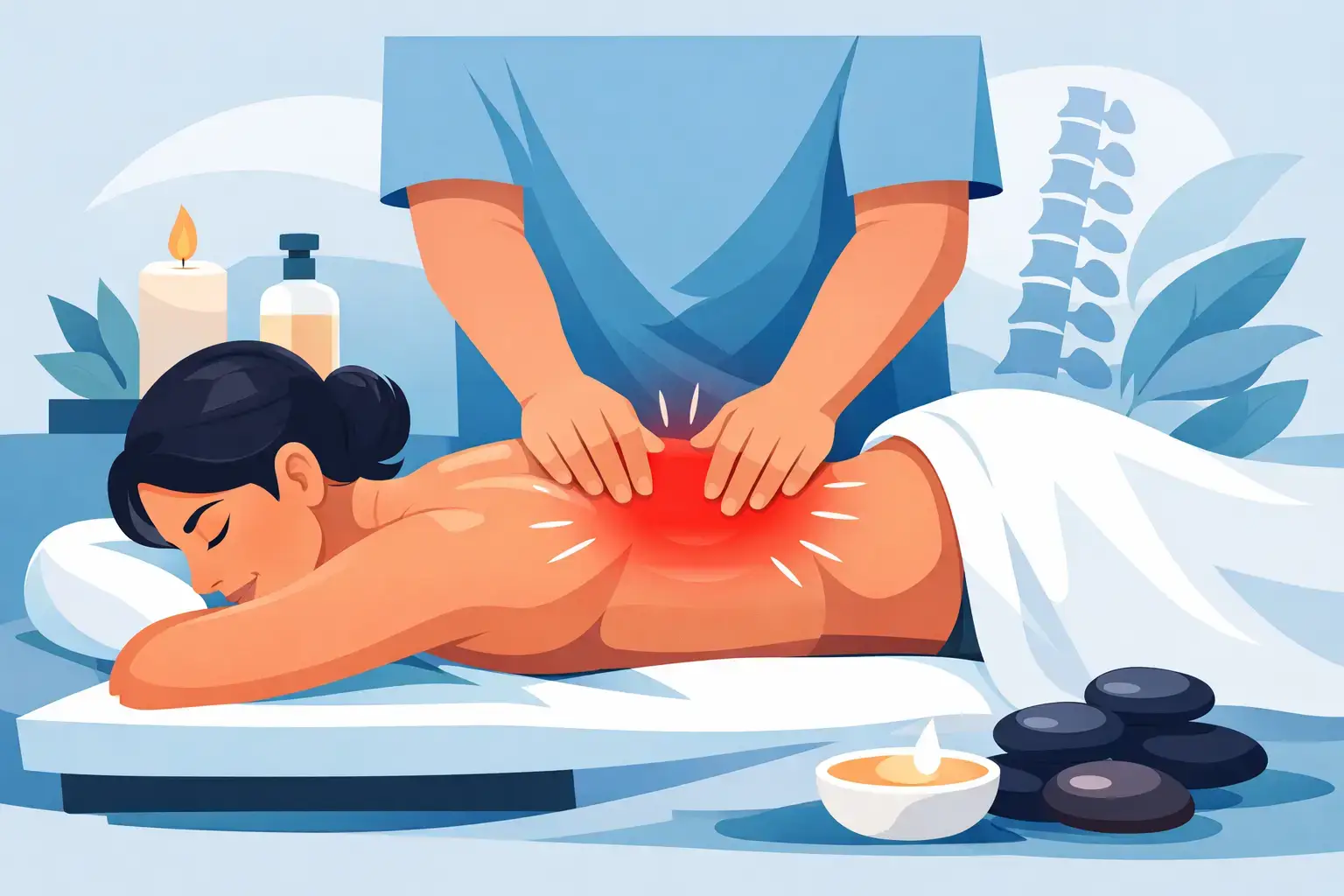
Massage helps by addressing the soft tissue component of pain. When muscles become tense or irritated, they can restrict movement and create a cycle of stiffness and sensitivity. Skilled hands can ease that guarding response, allowing the tissue to soften and the nervous system to settle. Many guests notice that the back does not just feel less painful after treatment – it feels lighter, warmer, and easier to move.
There is also a practical side to this. Pain often makes people move less, and less movement can make stiffness worse. If massage reduces discomfort enough to help you walk more naturally, stretch more comfortably, or simply get through the day with less strain, that relief matters.
What kind of massage is best for lower back pain?
The answer depends on what your back is reacting to. If the pain is connected to general muscle tension, stress, or fatigue, a relax massage with steady pressure and flowing strokes may be enough to bring noticeable comfort. This approach is especially welcome for guests who want relief without the intensity of deeper work.
If the lower back feels dense, tight, and resistant – the kind of tension that has been building for weeks – deep tissue massage is often a better fit. It works into thicker muscle layers and commonly includes the surrounding areas that influence the lower back, such as the glutes and upper hips. This can be very effective, but pressure should be tailored carefully. More pressure is not always better. For some bodies, aggressive work can leave the area feeling more irritated instead of more relaxed.
Hot stone or hot oil massage can be especially comforting when the back feels stiff rather than sharply painful. Heat tends to encourage muscle release, and many people find that warmth allows the therapist to work more effectively without excessive force. For clients carrying both physical and mental tension, this style of treatment offers a more indulgent path to relief.
Thai herbal massage may also suit guests who enjoy heat, compression, and a more revitalizing treatment experience. It can feel deeply restorative, particularly after travel or long days on your feet. The best option is not the most intense treatment on the menu. It is the one that matches the actual source and sensitivity of your discomfort.
When massage helps most – and when it may not
Massage is often excellent for muscular lower back pain. It is commonly helpful when the area feels tight, achy, overworked, or restricted. It can also be a very good choice when back discomfort is tied to stress, because stress has a way of settling into the shoulders, hips, and lower spine all at once.
That said, not every kind of back pain should be treated like ordinary tension. If pain is sudden and severe, follows an injury, causes numbness, shoots down the leg, or comes with weakness or loss of control, massage should not be the first step. Those situations need medical assessment. Even with milder symptoms, a good therapist should adjust the session if an area feels inflamed, highly sensitive, or not suitable for direct pressure.
This is where experience matters. A refined treatment is not just about ambiance, oils, or technique. It is about knowing when to work directly, when to work around the area, and when to keep the session soothing rather than forceful.
What to expect from a massage for lower back pain
A thoughtful session usually begins with a few simple questions. Where is the pain? Is it central or more to one side? Does it stay local, or travel into the hips or legs? Is it worse after sitting, sleeping, training, or walking? These details shape the treatment.
In many cases, the lower back is only part of the story. Tight glutes can pull on the pelvis. Hip flexors can contribute to arching and compression. Hamstrings can limit mobility and increase strain elsewhere. Because of this, an effective massage may include the hips, legs, and upper back rather than focusing only on the sore spot.
During the session, you should feel worked on, but not attacked. Some tenderness can be normal, especially in chronically tight tissue, but sharp pain is not the goal. Good massage creates release, not resistance. If the body tenses up against the pressure, the treatment should be adjusted.
Afterward, many people feel immediate ease. Others notice the full benefit later that day or the next morning, when movement feels freer and the back no longer feels constantly braced. Mild soreness can happen after deeper work, but it should feel manageable and temporary.
How to get better results from your session
A massage can do a great deal, but the hours around the appointment matter too. Arriving hydrated, avoiding a heavy meal right before the treatment, and communicating clearly about pain levels all help the therapist deliver a better session. If your back has been bothering you for days or weeks, mention what seems to aggravate it. That information is useful.
After the massage, gentle walking often feels better than going straight back to prolonged sitting. Light movement helps the body hold onto the sense of release. Warm showers can also be soothing, especially after a deeper treatment. If your lower back pain is related to work posture or travel, small changes in how you sit, stand, and rest can extend the benefit far beyond the treatment room.
There is also the question of frequency. One session can bring welcome relief, especially when the issue is recent or stress-related. Chronic tension usually responds better to consistency. A series of treatments, spaced reasonably, often works better than waiting until the discomfort becomes intense again.
Choosing the right spa experience for back relief
When booking a treatment for lower back discomfort, luxury should never mean vague. The environment matters – privacy, cleanliness, warmth, and calm all help the body relax – but the quality of care matters more. You want a therapist who can balance comfort with technique, and a setting that allows you to slow down enough to feel the benefit.
For many guests in Dubai Marina, that means choosing a spa experience that combines therapeutic attention with a refined sense of escape. In a hotel-spa setting, the treatment can become more than a quick fix. It becomes protected time to rest, reset, and let the body recover properly. At Stella Spa, that balance of indulgence and physical relief is part of what makes the experience feel so restorative.
The right massage should leave you feeling cared for, not simply handled. It should respect whether your body needs deep pressure, warmth, gentler work, or a more complete head-to-toe release. Lower back pain can be frustrating, but relief does not always need to be complicated. Sometimes it starts with one well-chosen treatment, delivered with skill, in a space where your body can finally let go.
If your lower back has been asking for attention, listen early. Relief tends to come easier when tension is treated before it becomes the new normal.