

A website that attracts 10,000 visitors but produces few calls, inquiries, or orders has a conversion problem, not necessarily a traffic problem. This conversion rate optimization guide shows business owners how to find the friction that costs them revenue and replace it with a clearer path to action.
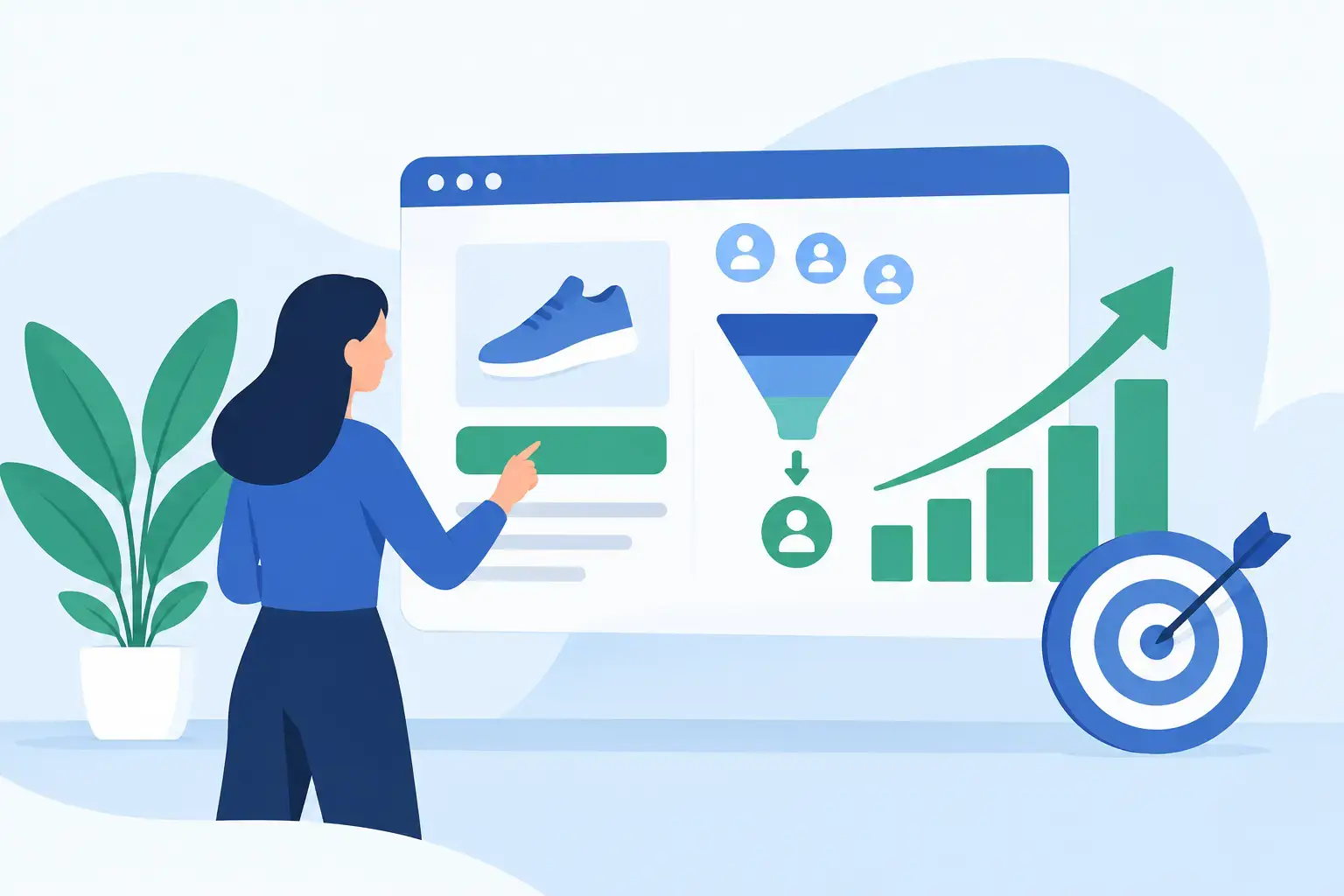
Conversion rate optimization, or CRO, is the process of increasing the percentage of visitors who complete a meaningful business action. That action may be submitting a quote request, booking an appointment, calling your office, adding a product to cart, completing checkout, or signing up for a consultation. The goal is not to make a website look busier. The goal is to make every valuable visit more likely to become a customer.


For a startup, retailer, hotel, professional service firm, or e-commerce business, even a small improvement can make a major commercial difference. Raising a website conversion rate from 2% to 3% means 50% more conversions from the same advertising budget and the same level of traffic. That is why CRO should sit beside SEO, paid advertising, and social media marketing, not behind them.
What Conversion Rate Optimization Really Measures
The basic calculation is straightforward: divide the number of conversions by the number of visitors, then multiply by 100. If 40 people submit a form from 2,000 website visitors, the conversion rate is 2%.
However, a single site-wide number can hide the real story. A visitor arriving from a branded Google search behaves differently from someone clicking a social media ad. A mobile visitor searching for an emergency IT service has different expectations from a desktop visitor comparing luxury travel packages. Measure conversion rates by channel, device, location, landing page, campaign, and customer action whenever possible.
Quality matters as much as quantity. A form that generates 100 inquiries is not automatically successful if most inquiries are irrelevant, incomplete, or impossible to contact. A better primary metric might be qualified leads, booked meetings, completed purchases, or revenue per visitor. Your sales team should help define what a valuable conversion looks like before marketing teams begin testing changes.
Conversion Rate Optimization Guide: Start With Evidence
Do not redesign a website because a competitor changed its colors or because a button feels outdated. Start with evidence. Analytics tools can show where visitors arrive, which pages they view, how long they stay, and where they leave. Form reports, call tracking, sales data, customer support questions, and session recordings add the human context that numbers alone cannot provide.
Look for pages with strong traffic but weak action rates. These are often the fastest CRO opportunities. A service page may rank well in search results but fail because it does not explain pricing expectations, response time, service coverage, or the next step. An online store may receive many product views but lose buyers when shipping fees appear too late in checkout.
Ask practical questions as you review each page:
- Can a first-time visitor understand the offer within five seconds?
- Is the page built around one main action, or does it send users in several directions?
- Does the page answer the questions that prevent a customer from contacting or buying?
- Is the experience equally clear on a phone, where many visitors will make their first decision?
- Are there technical issues, slow loading times, broken forms, or checkout errors?
The answers often reveal that conversion loss is not caused by one dramatic flaw. It is caused by several small barriers: a vague headline, a buried phone number, a long form, weak product photos, or a call to action that says “Submit” instead of explaining what happens next.
Make the Value Proposition Immediate
Visitors do not owe a business their attention. They scan quickly and decide whether a page feels relevant, credible, and easy to use. Your headline should state what you provide, who it is for, and why the customer should care. “Professional Digital Solutions” is broad. “Custom E-Commerce Websites Built to Increase Online Orders” gives a visitor a reason to continue.
Support that promise with specific proof. Depending on the business, proof can include project examples, recognizable client sectors, product specifications, turnaround times, customer testimonials, warranties, certifications, service areas, or transparent process details. Claims such as “best quality” can support a message, but they do not replace evidence.
The right amount of information depends on purchase complexity. A low-cost product may need a fast route to checkout. A custom software project, commercial CCTV installation, or enterprise network solution requires more reassurance because buyers are committing more money, time, and trust. In that case, detailed capability pages, case examples, consultation options, and clear technical answers can improve conversion more than a short page ever could.
Reduce Friction Without Removing Confidence
Every extra step gives a potential customer another chance to leave. Simplify forms by asking only for information needed to start the conversation. For many service businesses, name, phone or email, company, and a short requirement field are enough. If a sales team needs more details, collect them after the initial contact.
Do not confuse fewer form fields with better leads in every situation. A business offering premium services may need a budget range, project type, or preferred timeline to qualify inquiries. The practical approach is to test the minimum amount of information that helps your team respond effectively without making the visitor feel interrogated.
Clear calls to action also reduce hesitation. “Get a Free Quote,” “Book a Site Visit,” “Request Product Availability,” and “Speak With a Specialist” are stronger than generic labels because they set an expectation. Place the main call to action where visitors naturally need it: near the opening promise, after key proof points, and at the end of a page. On mobile, a visible call or WhatsApp option can be valuable for businesses that handle time-sensitive inquiries.
Speed and reliability are conversion tools, not background technical details. A page that loads slowly, shifts while loading, or fails during payment damages trust immediately. Strong hosting, image optimization, responsive development, secure payment configuration, and regular technical maintenance protect the revenue your campaigns are working to generate.
Build Landing Pages Around Campaign Intent
Sending every paid ad, email recipient, or social visitor to the homepage wastes intent. A campaign should lead to a landing page that continues the exact message that earned the click. If an ad promotes restaurant website design, the landing page should focus on restaurant websites, online reservations, menus, delivery integration, and a relevant consultation offer.
Message match matters because it reassures the visitor that they are in the right place. Keep the headline, offer, visual direction, and call to action aligned with the campaign. Remove unnecessary navigation when the campaign has one focused objective, but do not hide essential trust information such as contact details, privacy assurance, or company credibility.
For local and regional businesses, include the details buyers use to make a decision: service availability, response hours, delivery areas, language support if relevant, and the easiest way to reach a real person. These details can outperform clever design because they answer the question behind most conversions: “Can this company help me now?”
Test Changes With a Clear Hypothesis
CRO is not a collection of random button-color experiments. Each test should begin with a hypothesis based on observed behavior. For example: “Visitors are abandoning the quote form because the form asks for too much information. Reducing the fields from nine to five will increase qualified submissions.”
Test one meaningful variable at a time when traffic allows it. You might compare two headlines, two form lengths, different trust signals, product image styles, or a fixed mobile call button. Give the test enough time and visitors to avoid making decisions based on a few days of unusual traffic.
Not every business has enough visitors for formal A/B testing. That does not mean CRO is unavailable. Lower-traffic companies can make evidence-based improvements, monitor results over a reasonable period, collect feedback from actual prospects, and compare performance against the previous version. The key is to record what changed and why, so results do not become guesswork.
Connect Marketing, Sales, and Technology
A lead is only valuable if the business responds. Fast follow-up can be the difference between a qualified prospect and a lost opportunity. Set clear ownership for form submissions, phone calls, chat requests, and abandoned-cart recovery. Use CRM tracking or even a disciplined shared process to record lead source, response time, outcome, and revenue.
This connection also improves future campaigns. If paid search generates many leads but few sales, the issue may be targeting, offer positioning, landing-page expectations, or sales handling. If one service page creates fewer leads but a much higher close rate, it may deserve more traffic and investment. Your(1)Site approaches these moving parts as one growth system: website performance, marketing acquisition, hosting reliability, and measurable business results.
A conversion-focused website does not need louder promises. It needs fewer doubts, faster answers, and a simple next step for the right customer. Start with the page where valuable traffic is already being lost, make one informed improvement, and let real customer behavior guide the next move.